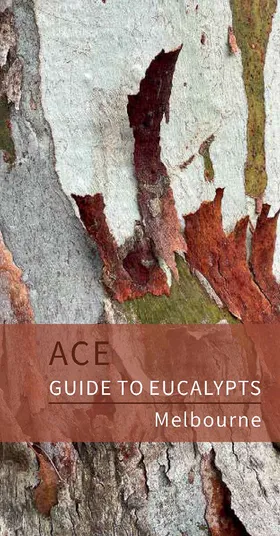
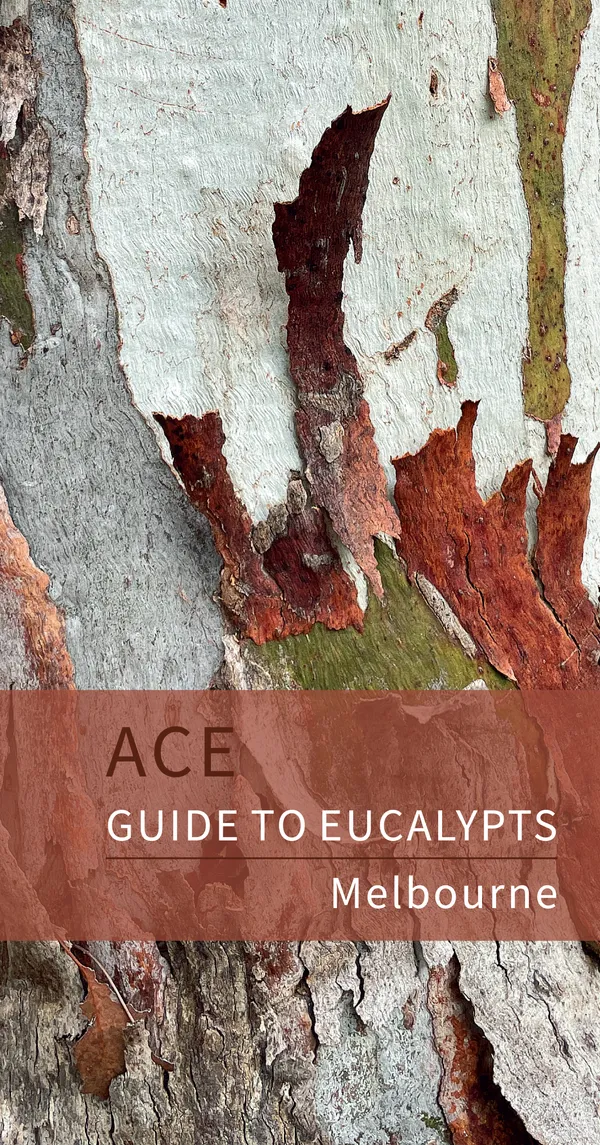
36 eucalypt species, one compact book.
The eucalypts of greater Melbourne — identified by bark, fruit, bud, and leaf, photographed in intimate detail.
Buy Now — $30 AUDSecure checkout via Stripe. No account needed.
Every page is a work of art
High-resolution photography of bark, leaves, buds, and fruit — laid out so you can make an identification in the field.
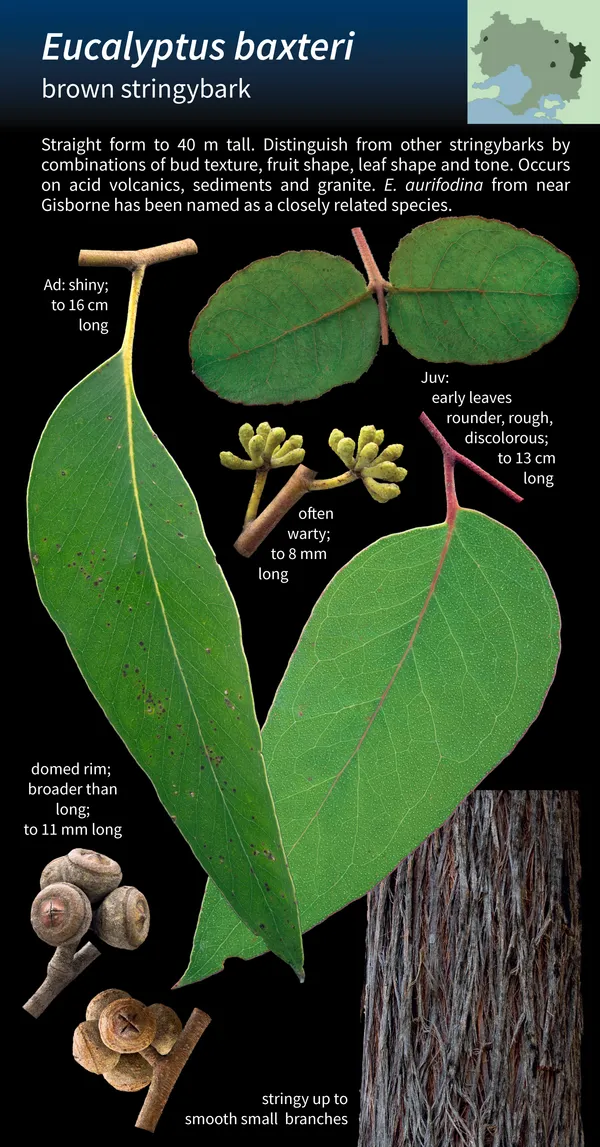
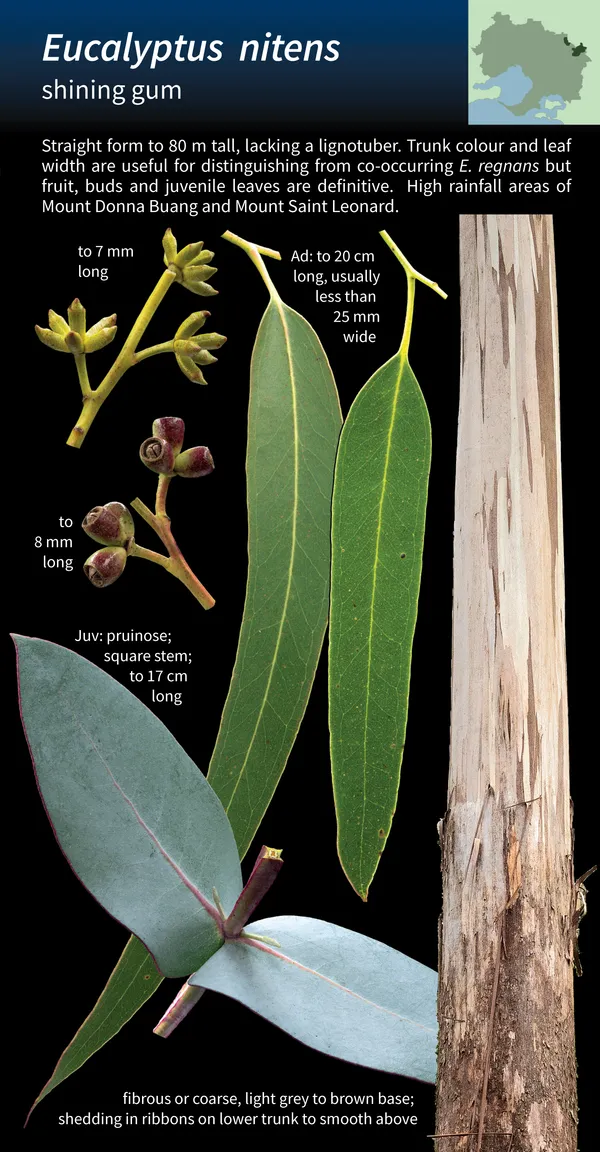
Each species, fully documented
Bark, bud, fruit, and leaf — all the characteristics you need to confirm an identification, together on one page.
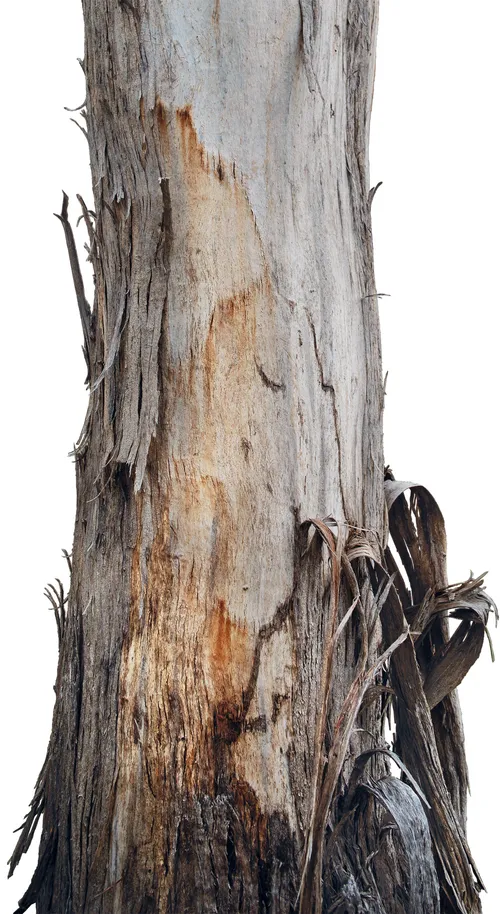
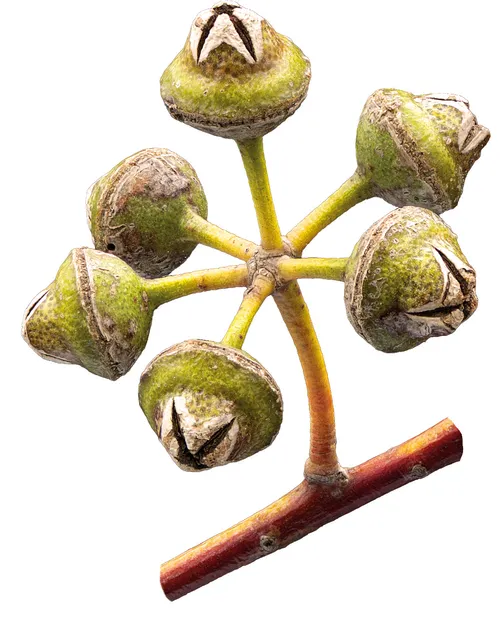
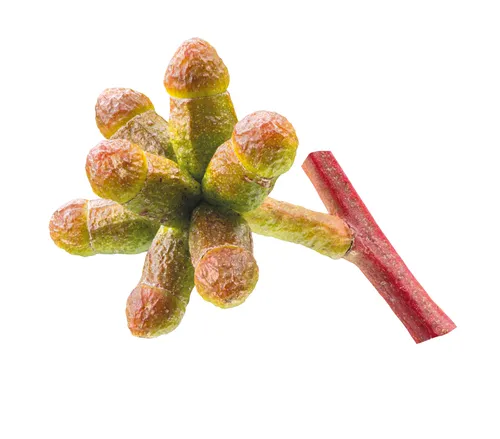
Photographed with care
Vicky Shukuroglou's original photography captures the textures and forms of Melbourne's eucalypts — bark you can almost feel, buds you could hold in your palm.
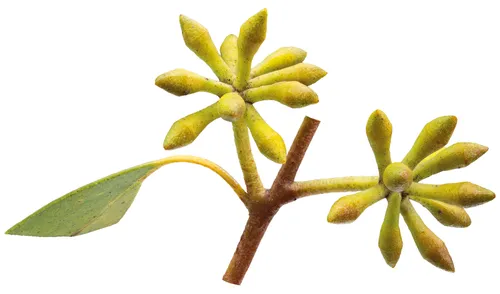
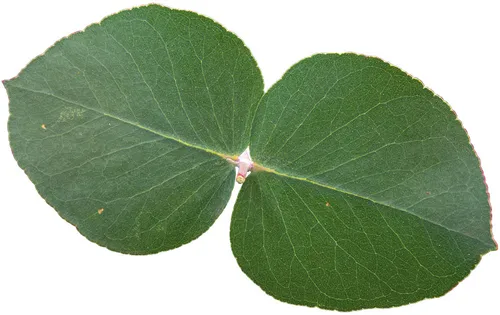
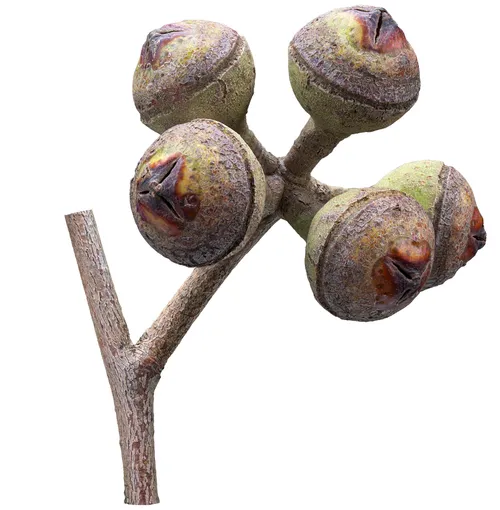
Identified by bark, fruit, bud, and leaf
The guide's identification method works with what you can see and touch in the field. Bark texture, fruit shape, bud form, and leaf character are combined to tell you which species you're looking at.
Melbourne's species — 32 indigenous and 4 of the introduced — each have a profile page with life size photos. Accompanying maps and notes with details about distinguishing features, habitat, parks and reserves, help paint a clearer picture.
Vicky is an extremely knowledgeable, kind and generous educator. She explains the somewhat daunting (but exciting) task of eucalypt identification in a very accessible way, particularly with the help of her fantastic guide, ACE Guide to Eucalypts Melbourne. She clearly has a genuine love for eucalypts and made the day fun as well as informative. I highly recommend attending any events that she is facilitating.
Get your copy
$30 AUD + $7.50 postage & handling anywhere in Australia. Pocket-sized softcover, 56 pages.
ISBN 9780645232615 — available to order through any bookshop.
Buy Now — $30 AUDSecure checkout via Stripe. No account needed.
Acknowledgment of Country
The eucalypts in this guide grow on the lands of the Wurundjeri Woi-wurrung, Bunurong/Boon Wurrung and Wadawurrung/Wathaurong peoples of the Eastern Kulin Nation. These trees and their connected environments have been known, named, and cared for by Aboriginal people for tens of thousands of years. We pay our respects to Elders and all communities in care of Country. We acknowledge that sovereignty was never ceded.